
Super Bowl Viewership and Betting Trends: Records, Revenue and What’s Next
 Available in US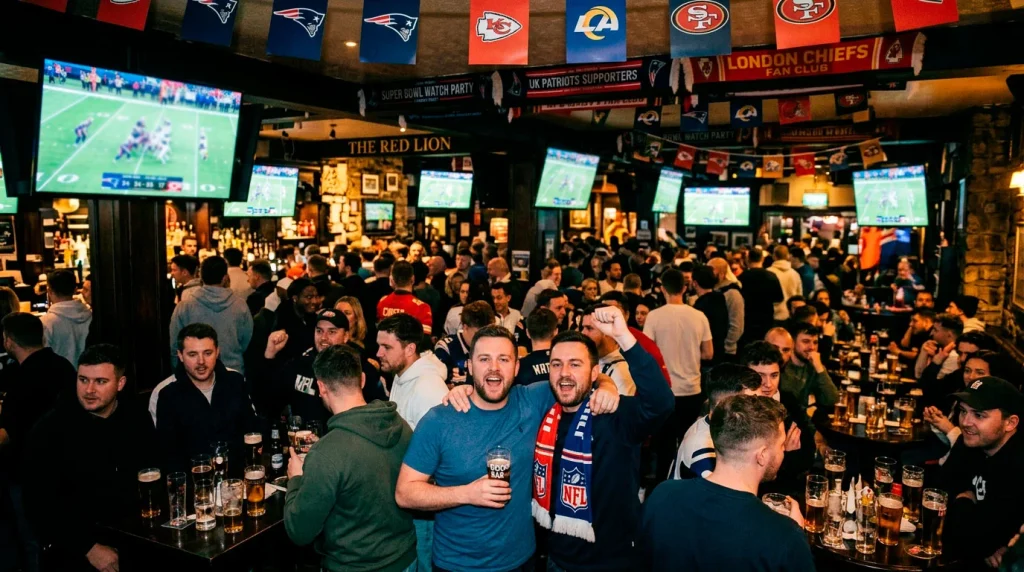
Three consecutive years of record Super Bowl viewership. Three consecutive years of record Super Bowl betting handle. That is not a coincidence – it is a feedback loop. More viewers create more bettors. More bettors create more viewing engagement. The broadcasters benefit, the sportsbooks benefit, and the league benefits from both. Super Bowl LIX drew 127.7 million average US viewers in 2026, smashing the previous year’s record. The following year, Super Bowl LX between the Seahawks and Patriots pulled 124.9 million average viewers, with Bad Bunny’s halftime show peaking at 128.1 million. The audience is not just massive – it is growing, and the betting volume is growing with it.
See also NFL UK fanbase growth driving viewership.
Contents
Super Bowl Viewership: Three Consecutive Records
The US audience trajectory tells a story of cultural dominance. Super Bowl LVII in 2023 averaged 113 million viewers. Super Bowl LVIII in 2026 jumped to 123.4 million. Super Bowl LIX in 2026 reached 127.7 million. Each year set a new record, making the Super Bowl not just the most-watched annual sporting event in the United States but the most-watched television event of any kind, full stop.
The UK audience has followed a parallel curve. Super Bowl LVIII set a UK viewership record with a combined peak of 1.73 million across Sky Sports and ITV. Sky Sports alone hit a peak of 761,000 – a 35% increase on its previous record. ITV’s peak of 996,000 rose 26%. The under-35 demographic drove the sharpest growth, surging 91% year on year. That demographic shift matters for Super Bowl betting in the UK because younger viewers are disproportionately likely to place a bet alongside their viewing experience.
The halftime show has evolved into an independent viewership driver. Bad Bunny’s Super Bowl LX halftime performance peaked at 128.1 million viewers – higher than the game itself. The halftime show attracts casual viewers who may not watch the full game, but who are exposed to sportsbook advertising during the broadcast and to prop markets (halftime show-related bets, second-half totals) during the intermission. The sportsbook industry has effectively turned the halftime show into a promotional window that converts entertainment viewers into first-time bettors.
Super Bowl Betting Volume: From Millions to Billions
Bill Miller, the AGA’s president, summarised the industry’s trajectory: “Legal commercial gaming in the United States has delivered exceptional results for consumers, operators, and the communities we serve.” The Super Bowl embodies those results in concentrated form. Super Bowl LX generated an estimated $1.76 billion in legal wagers across US sportsbooks. The previous year, Super Bowl LIX attracted 68 million Americans who placed at least one wager on the game.
The growth rate of Super Bowl handle outpaces the growth rate of regular-season NFL betting because the Super Bowl converts casual viewers into occasional bettors. A regular-season Week 7 game between the Titans and the Cardinals does not attract new customers to sportsbooks. The Super Bowl does. The combination of cultural event, social pressure, office pools, and blanket media coverage creates an entry point for people who would never otherwise consider placing a bet. For sportsbooks, Super Bowl weekend is the single largest customer acquisition event of the year.
UK-specific Super Bowl betting data is not published in the same granular detail as US figures, but the directional evidence is clear. UK sportsbooks report their highest NFL promotional spending, widest market menus, and largest customer engagement metrics during Super Bowl week. The proliferation of Super Bowl-specific free bet offers, enhanced odds, and novelty markets (coin toss, Gatorade colour, anthem length) reflects volume levels that justify the promotional investment.
See also nfl bet online for the complete NFL betting guide.
How UK Viewership Growth Fuels Super Bowl Betting
The relationship between UK viewership and UK betting on the Super Bowl is more direct than for any other NFL event. The game kicks off between 11 pm and 11:30 pm UK time on a Sunday night, which means the viewing audience is self-selecting for engagement – nobody stays up until 3 am casually. The viewers who watch the Super Bowl in the UK are invested, and invested viewers are significantly more likely to have an active sportsbook account and an open bet.
The 91% surge in under-35 viewership for Super Bowl LVIII maps onto the demographic that drives mobile betting growth. These are viewers who watch on a second screen while their sportsbook app is open on their phone. They follow live odds updates during the game. They place in-play bets between quarters. They build same-game multis during halftime. The second-screen behaviour that UK broadcasters have tracked in Premier League audiences has transferred to the Super Bowl, and sportsbooks have responded with Super Bowl-specific app features – live prop updates, quick-bet buttons for popular markets, and push notifications for odds shifts during the game.
The marketing spend around the Super Bowl amplifies this effect. UK gambling operators collectively spend £1.5 billion annually on marketing across all sports, and a disproportionate share of that budget is concentrated around tent-pole events where new customer acquisition is highest. The Super Bowl is one of those events. The advertising that runs during UK broadcasts, the social media campaigns in the days before the game, and the email promotions to existing customers all funnel attention toward the sportsbook at the precise moment when viewership – and therefore willingness to bet – is at its annual peak.
Looking forward, the trend lines suggest continued growth in both viewership and handle. The NFL’s expansion of international games, the addition of streaming options, and the league’s investment in UK-specific content creation all contribute to a growing audience base. Each incremental viewer is a potential bettor, and each incremental bettor increases the volume that allows sportsbooks to offer tighter odds and deeper markets. The feedback loop shows no signs of slowing.
